Everything You Need to Know for a Vietnam Trip from India- STH
Why Visit Vietnam?
Vietnam is a beautiful country where old traditions meet modern life. You’ll find busy cities like Hanoi, peaceful places like Ha Long Bay, and cultural towns like Hoi An. It’s a perfect mix of history, nature, food, and fun — a dream for travellers!
Step 1: Documents You Need (Visa & Passport)
Before you book your tickets, make sure your travel documents are ready:
- Visa is required for Indian tourists.
- Best Option: E-Visa – Apply online on the official Vietnam Immigration website.
- Old Option: Visa on Arrival – Still possible, but not as smooth or common.
- Your passport should be valid for at least 6 months.
- Keep passport-size photos and copies of documents handy.
Step 2: Best Time to Visit Vietnam
Because Vietnam is long from north to south, weather changes by region:
- North Vietnam (Hanoi, Sapa, Ha Long Bay): Best in March–April or Sept–Nov.
- Central Vietnam (Hoi An, Da Nang): Best from Feb–May.
- South Vietnam (Ho Chi Minh City, Phu Quoc): Best from Dec–April.
Avoid rainy or stormy months if you want to enjoy outdoor activities.
Step 3: How to Reach Vietnam from India
The easiest way to get to Vietnam is by air:
- Direct or connecting flights available from cities like Delhi, Mumbai, Chennai, Kolkata.
- Main airports in Vietnam:
- Hanoi (North)
- Da Nang (Central)
- Ho Chi Minh City (South)
Step 4: Must-Visit Places in Vietnam
Here are the top places to include in your trip:
- Hanoi – The capital with a mix of old streets and modern vibes.
- Ha Long Bay – Stunning limestone islands (best seen by cruise).
- Hoi An – Beautiful old town with lanterns and tailor shops.
- Hue – Former royal capital with palaces and tombs.
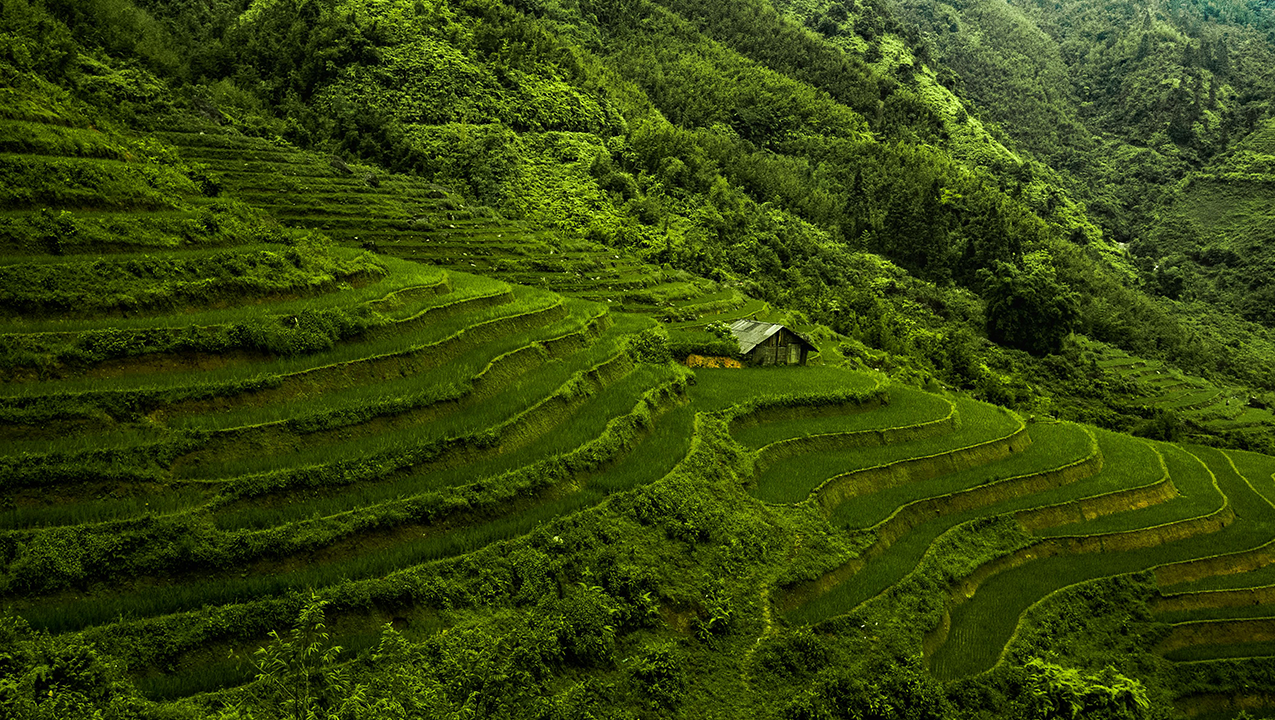
- Sapa – Mountain area with rice terraces and local villages.
- Da Nang – Beaches and nearby attractions like Marble Mountains.
- Ho Chi Minh City (Saigon) – Big city life + history museums.
- Mekong Delta – Floating markets and river life.
- Phu Quoc Island – White beaches and snorkeling spots.
- Nha Trang – For beach lovers and water activities.
Step 5: Where to Stay
Vietnam has many options depending on your budget:
- Budget stays: ₹500–₹1,500 per night (hostels, guesthouses)
- Mid-range hotels: ₹2,000–₹5,000 per night
- Luxury resorts: ₹7,000 and above
Use websites like Booking.com or Agoda to compare and book early.
Step 6: Currency & Money Tips
- Currency: Vietnamese Dong (VND)
- Exchange INR to VND after arrival at airport or local exchange shops.
- Cards are accepted in cities, but always carry some cash.
- Watch out for exchange fees – they add to your total cost.
Step 7: Vietnamese Food to Try
Don’t leave without trying these tasty dishes:
- Pho – Noodle soup with meat.
- Banh Mi – Baguette sandwich with fillings.
- Fresh & Fried Spring Rolls – Light and crunchy snacks.
- Bun Cha – Grilled pork with noodles.
- Banh Xeo – Crispy pancakes with fillings.
- Vietnamese Coffee – Strong, sweet, and addictive!
Local food is not just delicious, it’s also budget-friendly.
Conclusion
Vietnam is affordable, scenic, and full of cultural charm. With smart planning and the right timing, you can have an amazing experience without breaking the bank.